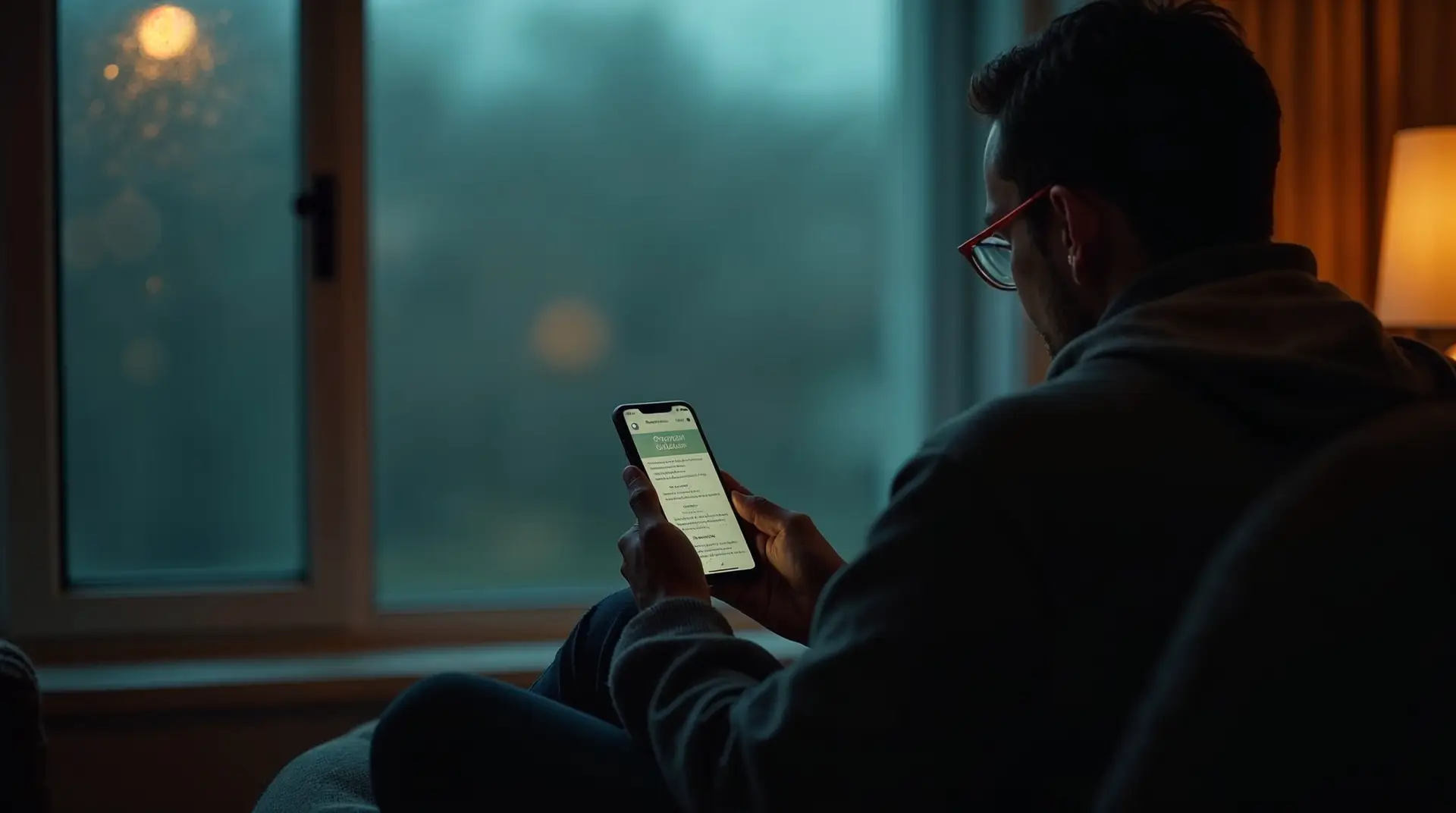
Behavioral health practices face a problem most specialties never see at the same scale: patients who want care but cannot consistently get to it. Missed appointments in mental health and substance use treatment routinely outpace other fields, and every gap in care risks a setback for the patient. The reasons are specific to behavioral health, and so are the fixes. This is the first in a series on how specialty clinics can solve their hardest operational challenges.
Key Takeaways
- Behavioral health carries some of the highest no-show rates in medicine, with some clinics far above the outpatient average.
- The causes are unique: symptom-driven cancellations, stigma, and long gaps between booking and visit.
- Missed visits in behavioral health are a clinical risk, not just a revenue loss.
- Automated, multi-channel engagement keeps patients connected between appointments.
- For high-acuity moments, 24/7 access gives patients a way to reach support when they need it most.
Why Are No-Show Rates So High in Behavioral Health?
No-show rates in behavioral health run high because the conditions being treated directly affect a patient’s ability to attend. While outpatient no-show rates generally fall between 5% and 30%, behavioral health frequently sits at the upper end of that range (Healthcare Finance News).
The drivers are different from a typical primary care cancellation. Depression can sap the motivation needed to leave the house. Anxiety can make a phone call to reschedule feel impossible. Stigma keeps some patients from following through at all. And many treatment plans require weekly or biweekly visits, so a single missed session breaks a fragile routine.
There is also the timing problem. When patients wait weeks between booking and their visit, life intervenes and commitment fades. The longer the gap, the higher the risk.
Why Is a Missed Behavioral Health Visit Different?
A missed behavioral health visit carries clinical weight that a missed routine checkup does not. In mental health and substance use care, continuity is part of the treatment itself, and a break in that continuity can undo progress.
Consider what a lapse means here. A patient managing depression who misses several sessions may slide backward before anyone notices. Someone in early recovery who drops out of contact loses a support structure at the moment they need it most. The empty slot is a financial loss, yes, but the patient consequence is the more serious one.
This is why behavioral health cannot treat no-shows as a billing nuisance. Re-engaging a patient who has gone quiet is often a clinical priority, and doing it quickly matters more than in almost any other specialty.
How Does Automated Engagement Help?
Automated engagement helps by staying in contact with patients between visits, through the channels they are most likely to answer. Many behavioral health patients avoid phone calls, so reaching them by text or chat removes a real barrier to care.
The most effective approach combines a few elements. Reminders go out automatically ahead of each session, with easy one-tap rescheduling for patients who cannot make it. Proactive outreach reconnects patients who have missed a visit, before a single lapse becomes a dropout. And booking stays open around the clock, so a patient can act in the moment they feel ready.
Automation also protects scarce clinical time. When the platform handles routine reminders and rescheduling, staff can focus on the patients who need a human conversation. HealthTalk A.I. integrates this outreach with more than 90 EHR systems, so engagement reflects the patient’s real schedule and history.
What About Urgent, High-Acuity Moments?
The hardest moments in behavioral health rarely happen during office hours. A patient facing a crisis, such as acute suicide risk or an urgent need for support, cannot wait for the clinic to reopen on Monday. For these high-acuity situations, the most important thing a practice can offer is a way to reach help the moment it is needed.
This is where 24/7 access becomes more than a convenience; it becomes a safety mechanism. An always-on capability gives patients a reliable channel to connect with support around the clock, so a difficult night does not turn into an emergency or a lost patient. Extending care beyond normal business hours means the patients at greatest risk are never left without a door to knock on. You can see how HealthTalk A.I. helps practices expand access to cover exactly these moments.
The operational case for after-hours access is well established. In one example, an organization implemented an after-hours access program to extend coverage beyond standard clinic hours and capture demand that would otherwise have gone unmet. While that program was not behavioral-health-specific, it illustrates the same model: when patients can reach a practice at any hour, access improves and fewer people fall through the cracks (FHCW After-Hours Case Study). For behavioral health, where the stakes of an unanswered moment are higher, that same operational model carries even greater value.
What Should a Behavioral Health Clinic Prioritize?
A behavioral health clinic should prioritize fast re-engagement, low-friction rescheduling, and channel flexibility, backed by 24/7 access for the moments that cannot wait. Those levers address the specific reasons behavioral health patients miss care.
Start with the patients already slipping. A proactive campaign to reach overdue or no-show patients recovers visits that would otherwise become permanent losses. Next, make rescheduling effortless, since a patient who finds it hard to rebook often simply will not. Then meet patients where they are, on text and chat rather than the phone many of them avoid. And ensure there is always-on access for high-acuity needs, so support is available the moment a patient reaches for it.
The aim is steady contact, so a hard week does not become a lost patient.
Keep More Patients in Care
Behavioral health has more at stake in every missed visit than most specialties, which makes engagement a clinical tool, not just an operational one. See how HealthTalk A.I. helps specialty practices keep patients connected, reduce no-shows, and extend access when patients need it most with a personalized demo.